



There are many hand cream types, but not all of them are created for the same skin concerns. Some are designed to provide lightweight daily hydration, while others target extremely dry skin, cracked hands, sensitivity, or signs of aging.
Understanding the different hand cream types can make it much easier to choose a product that actually works for your skin. Instead of buying the richest cream available, you can look at your skin type, the ingredients, and the level of moisture your hands need.
Whether your hands feel tight after washing, become rough during cold weather, or need professional-level care after frequent treatments, this guide will help you find the right hand cream.
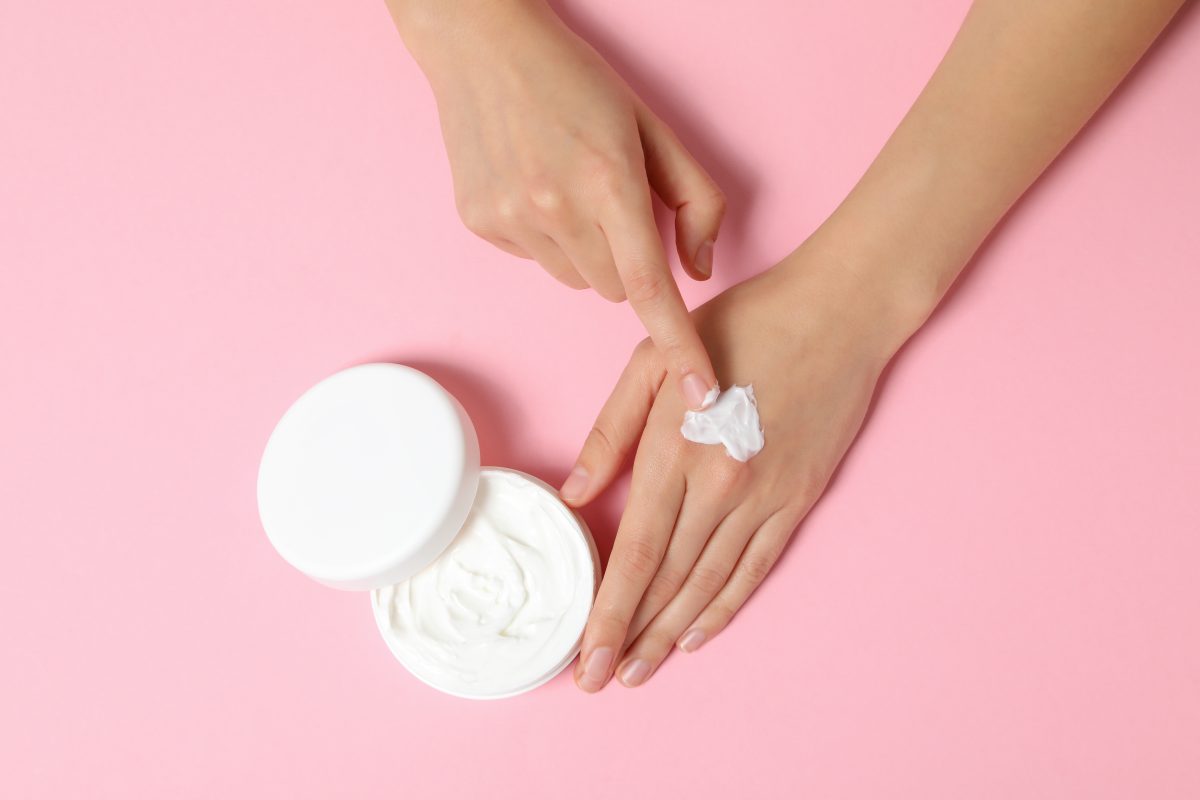
What Are the Main Hand Cream Types?
Hand creams can be grouped according to their texture, ingredients and intended purpose. The most common types include moisturizing hand creams, intensive repair creams, barrier creams, hand lotions, natural hand creams and anti-aging formulas.
Here is a quick overview:
| Hand cream type | Best for | Typical benefit |
|---|---|---|
| Moisturizing hand cream | Normal to dry hands | Daily hydration |
| Intensive hand cream | Very dry hands | Deep moisturization |
| Repair hand cream | Rough or cracked skin | Supports skin recovery |
| Barrier hand cream | Frequent hand washing | Helps protect the skin barrier |
| Hand lotion | Normal skin | Lightweight hydration |
| Anti-aging hand cream | Mature skin | Hydration and improved appearance |
| Sensitive-skin hand cream | Sensitive hands | Gentle moisturization |
| Natural hand cream | Ingredient-conscious users | Plant-based moisturizing ingredients |
The right choice depends less on the label and more on what your hands actually need.
1. Moisturizing Hand Cream
A standard moisturizing hand cream is the best starting point for everyday hand care.
These formulas typically combine humectants, emollients, and occlusive ingredients to help attract moisture, soften the skin, and reduce moisture loss.
Who should use a moisturizing hand cream?
This type works particularly well for:
- Normal to mildly dry hands
- Everyday hand care
- Hands exposed to frequent washing
- Maintaining soft, comfortable skin
- People who dislike heavy or greasy formulas
For daily use, look for ingredients such as glycerin, hyaluronic acid, ceramides, and shea butter.

2. Intensive Hand Cream for Very Dry Hands
If ordinary hand lotion is not enough, an intensive hand cream may be a better option.
These formulas are generally richer and contain ingredients designed to provide longer-lasting moisture and soften rough skin.
They can be particularly useful during winter or when your hands are exposed to dry indoor air.
What ingredients should you look for?
For very dry hands, useful ingredients can include:
- Shea butter
- Petrolatum
- Glycerin
- Ceramides
- Urea
- Plant oils
- Fatty acids
However, a thicker texture is not automatically better. The best hand cream is one that provides enough moisture without making you uncomfortable using it regularly.

3. Repair Hand Cream for Rough and Cracked Hands
When hands become rough, flaky, or cracked, they often need more than basic hydration.
A repair hand cream is formulated to moisturize dry skin while helping support the skin barrier.
Look for products containing ingredients such as ceramides, glycerin, petrolatum, dimethicone, or urea.
How to use hand cream for cracked hands
Apply a generous layer after washing and drying your hands. For particularly dry areas, applying hand cream before bedtime can help provide extended contact with the skin.
For severe, painful, bleeding, or persistent cracks, however, it is better to consult a healthcare professional rather than relying solely on cosmetic products.
4. Barrier Hand Cream
A barrier hand cream is especially useful for people whose hands are repeatedly exposed to water, soap, cleaning products, or other environmental stressors.
Rather than focusing only on making the skin feel soft, barrier-focused formulas aim to help reduce moisture loss and support the skin’s protective barrier.
Who benefits from barrier hand cream?
Consider this type if you:
- Wash your hands frequently
- Work in a salon or healthcare environment
- Regularly use cleaning products
- Experience dryness after hand washing
- Spend a lot of time outdoors
For professionals, keeping hand cream nearby and applying it regularly can be more practical than waiting until the skin becomes severely dry.

5. Hand Lotion vs Hand Cream
One of the most common questions is whether hand lotion or hand cream is better.
The main difference is usually texture and richness. Lotions tend to be lighter and easier to spread, while creams are generally thicker and provide more substantial moisturization.
Hand lotion
Best for:
- Normal skin
- Warm weather
- Daytime use
- People who prefer a lightweight texture
Hand cream
Best for:
- Dry skin
- Cold weather
- Rough hands
- Nighttime use
- Longer-lasting moisturization
Therefore, you do not necessarily have to choose just one. A lightweight lotion can work during the day, while a richer hand cream can be used at night.

6. Hand Cream for Sensitive Skin
Sensitive hands may benefit from a simpler formula with fewer potential irritants.
When choosing a hand cream for sensitive skin, consider fragrance-free options and avoid formulas that cause stinging, burning, or persistent redness.
Ingredients such as glycerin and ceramides can provide moisturization without requiring a heavily fragranced formula.
What should sensitive skin avoid?
There is no universal ingredient that everyone with sensitive skin must avoid. However, if you know that your skin reacts to fragrance or particular preservatives, check the ingredient list carefully.
Most importantly, stop using a product if it consistently causes irritation.

7. Anti-Aging Hand Cream
The hands can show visible signs of aging, including dryness, uneven-looking skin, and loss of firmness.
An anti-aging hand cream usually focuses on hydration and ingredients that improve the appearance and texture of the skin.
Depending on the formula, you may find ingredients such as antioxidants, niacinamide, peptides, or retinoids.
Don’t forget sun protection
One of the most useful additions to a hand-care routine is sunscreen.
Because hands are frequently exposed to sunlight, applying broad-spectrum sunscreen to the backs of the hands can help protect against UV-related skin damage and premature visible aging.

8. Natural and Plant-Based Hand Creams
Natural hand creams often use plant-derived ingredients such as shea butter, coconut oil, jojoba oil, almond oil, or botanical extracts.
These ingredients can provide emollient benefits and help make dry skin feel softer.
However, natural does not automatically mean better or safer for everyone. Some botanical ingredients and essential oils can irritate sensitive skin.
Therefore, focus on the complete formulation rather than choosing a product based only on its marketing claims.

How to Choose the Best Hand Cream
Choosing the best hand cream starts with identifying your main problem.
- For normal hands
- Choose a lightweight moisturizing cream or lotion that is comfortable enough for everyday use.
- For dry hands
- Look for richer formulas containing ingredients such as glycerin, shea butter, ceramides, or other moisturizing agents.
- For extremely dry hands
- Consider an intensive formula with stronger moisturizing and barrier-supporting ingredients such as petrolatum or urea.
- For sensitive hands
- Choose a gentle, preferably fragrance-free formula and pay attention to ingredients you already know your skin does not tolerate.
- For aging hands
- Prioritize regular moisturization and daytime sun protection. Depending on your needs, you can also look for formulas containing antioxidants or other skin-conditioning ingredients.

Which Hand Cream Ingredients Work Best?
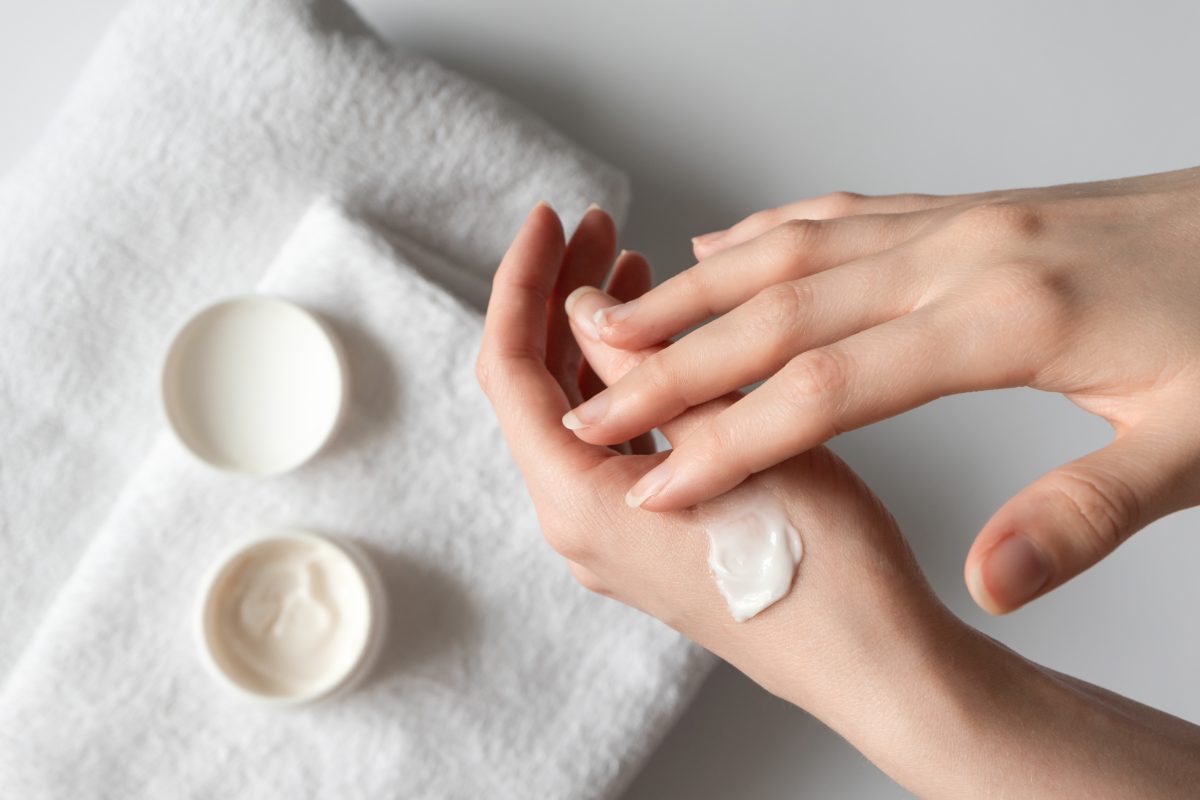
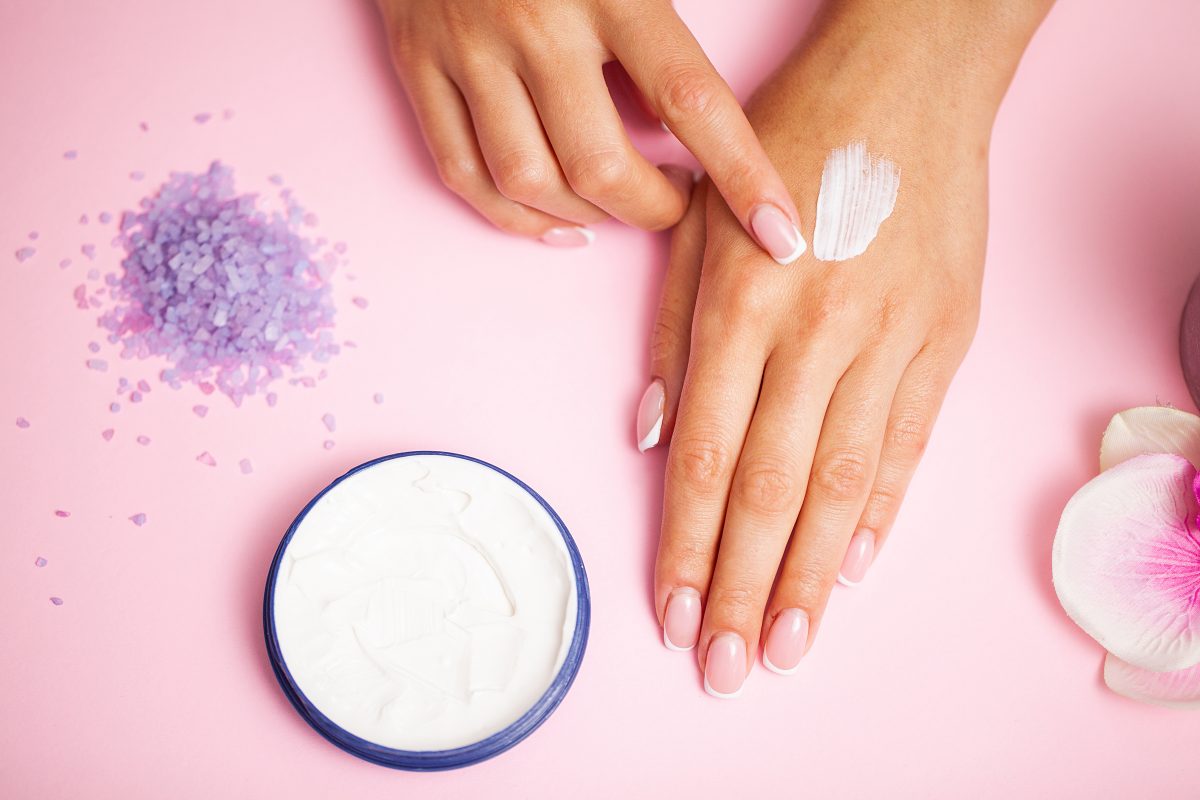
Understanding ingredients can help you compare products more effectively.
- Humectants
- Humectants such as glycerin and hyaluronic acid help attract and hold water in the outer layers of the skin.
- Emollients
- Emollients help soften and smooth the skin by filling spaces between skin cells. Many plant oils and fatty ingredients work in this way.
- Occlusives
- Occlusive ingredients form a protective layer that helps reduce water loss from the skin. Petrolatum is one well-known example.
- Ceramides
- Ceramides are naturally occurring lipids found in the skin barrier. In skincare products, they can help support the skin barrier and improve the feel of dry skin.


How Often Should You Apply Hand Cream?
There is no single perfect number for everyone.
A practical approach is to apply hand cream whenever your hands feel dry, particularly after washing your hands and before bed.
If you wash your hands frequently, you may need to reapply several times throughout the day.
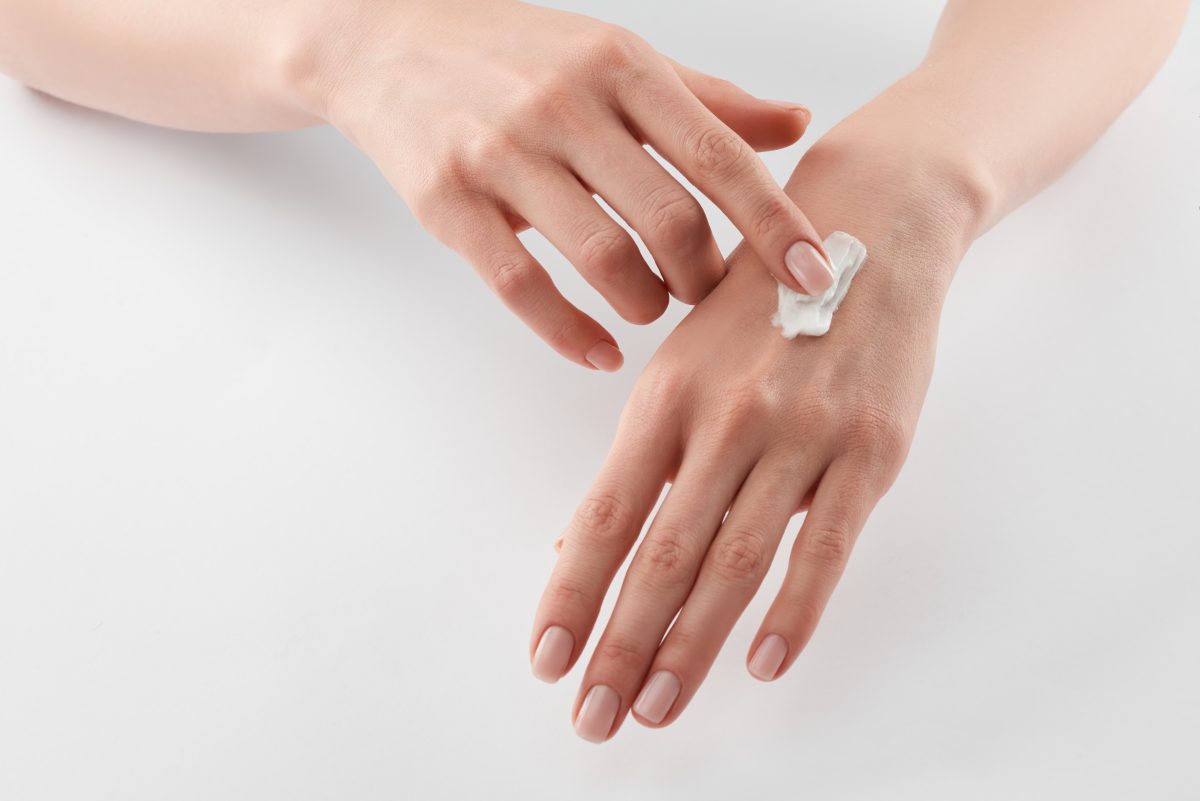
For best results, apply the cream while the skin is slightly damp after washing and drying. This can help lock in moisture.


Common Hand Cream Mistakes to Avoid
Even the right product may not work well if it is used incorrectly.
- Waiting until your hands are extremely dry
- Prevention is easier than recovery. Regular application can help prevent your hands from becoming excessively dry.
- Using too little product
- A tiny amount may not be enough for particularly dry hands. Apply enough to cover the backs of your hands, palms, fingers, and around the nails.
- Ignoring your nails and cuticles
- Dryness can affect the skin around the nails too. Massage leftover hand cream into the cuticles and surrounding skin.
- Choosing based only on fragrance
- A pleasant scent can make a product enjoyable, but fragrance does not determine how effective a hand cream is for your skin.
Hand Cream Buying Guide
Before purchasing a hand cream, ask yourself these questions:
Dryness, cracking, sensitivity, roughness, or signs of aging?
Frequent washing may make a barrier-supporting formula more useful.
Your preferred texture matters because you are more likely to use a product consistently.
If so, consider simpler, fragrance-free formulas.
A lightweight cream may be more convenient during the day, while a richer formula can be ideal at night.
FAQs
The main hand cream types include moisturizing, intensive, repair, barrier, anti-aging, sensitive-skin, natural, and lightweight lotion-style formulas. Each is designed to address different skin needs.
A rich moisturizing or intensive hand cream is generally a good choice for dry hands. Look for ingredients such as glycerin, shea butter, ceramides, petrolatum, or urea.
Hand lotion is usually lighter and easier to spread, while hand cream is generally thicker and richer. Lotion can be convenient for daytime use, whereas cream may be better for dry skin or nighttime care.
Use hand cream whenever your hands feel dry. Applying it after hand washing and before bed is a practical routine, and people who wash their hands frequently may need to reapply throughout the day.
A moisturizing or barrier-supporting hand cream can help relieve dryness and support the skin barrier. However, painful, bleeding, or persistent cracks may require professional medical advice.
Common beneficial ingredients include glycerin, ceramides, shea butter, petrolatum, urea, hyaluronic acid, and various emollient oils. The best combination depends on your skin’s needs.
Yes. A suitable hand cream can also moisturize the skin around the nails and cuticles. Massage a small amount into the cuticles as part of your regular hand-care routine.