
Running a successful salon in 2026 requires more than delivering exceptional services. While appointments remain the foundation of salon revenue, many salon owners are discovering that retail sales can significantly increase profits without adding more hours to the schedule.
The right salon retail products help clients maintain their results between appointments, strengthen trust in your professional recommendations, and create an additional income stream for your business. Moreover, clients increasingly seek expert guidance when choosing products, making salons an ideal place to purchase professional beauty solutions.
If you’re looking for ways to increase revenue, improve client retention, and enhance the overall salon experience, investing in the right retail inventory can make a measurable difference.
Why Salon Retail Products Matter More Than Ever
Salon services have a natural limit. There are only so many appointments you can book each day. Retail sales, however, allow your salon to generate income even after the service is complete.
When clients purchase products recommended by their stylist, nail technician, or beauty professional, they are more likely to maintain their results at home. As a result, they often achieve better outcomes and remain loyal to your salon.
Additionally, retail sales can increase the average ticket value of every appointment. Instead of relying solely on service revenue, salons can create multiple streams of income while providing greater value to their clients.
How to Choose the Right Salon Retail Products
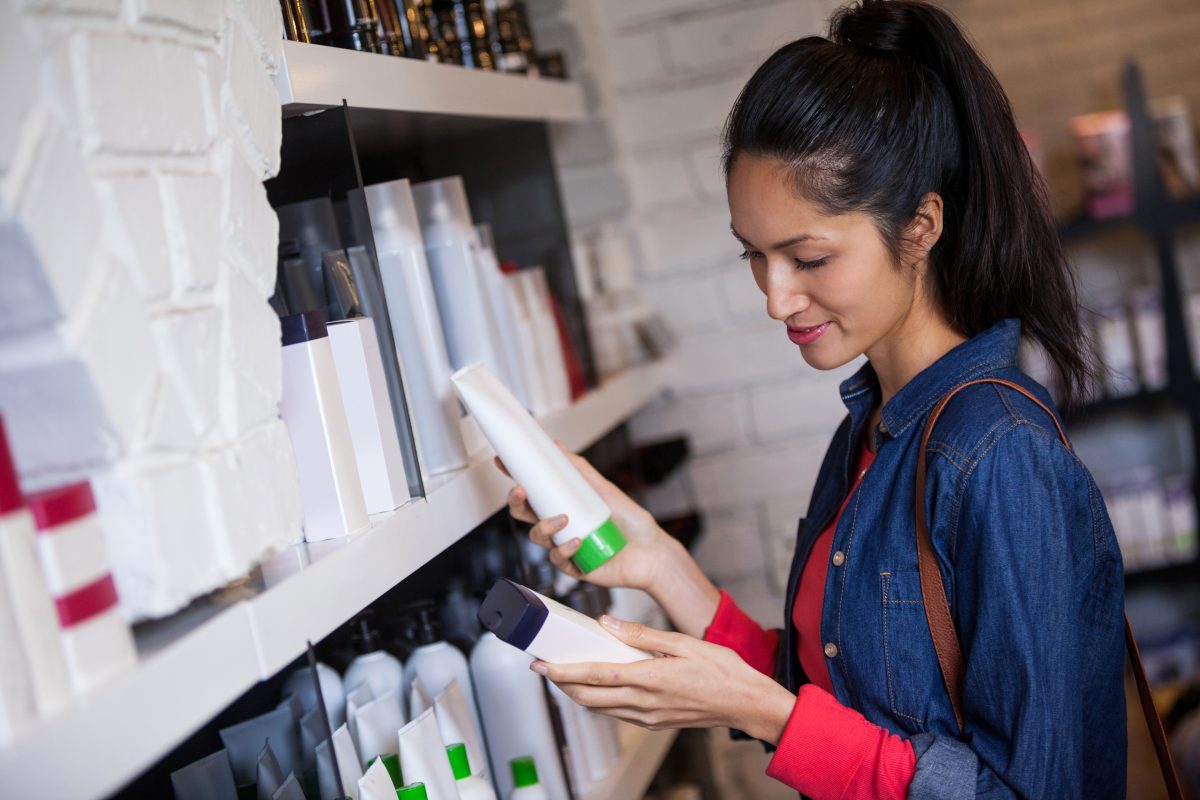
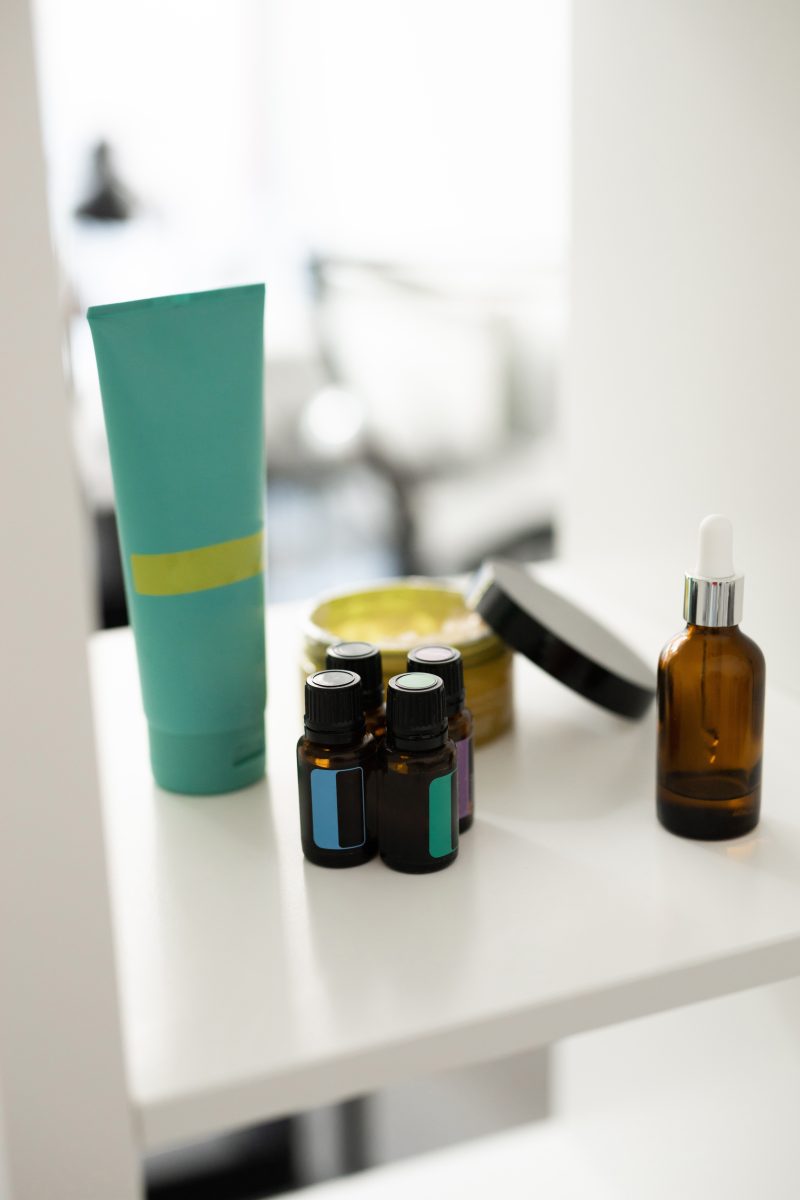
Not every product deserves shelf space. Before building your retail selection, consider the needs of your client base.
Focus on products that:
- Solve common beauty concerns
- Complement services you already provide
- Encourage repeat purchases
- Offer healthy profit margins
- Deliver visible results
Most importantly, choose products that your team genuinely believes in. Authentic recommendations are far more effective than aggressive sales tactics.
Professional Hair Care Products
Hair care remains one of the most profitable categories in salon retail.
Professional shampoos address specific concerns such as color protection, hydration, volume, scalp health, and damage repair. Unlike many mass-market options, salon-quality shampoos often contain advanced ingredients designed to support professional results.
Clients typically repurchase shampoo every few months, making it one of the most reliable retail products for recurring revenue.
Conditioners naturally complement shampoo sales and help increase retail transactions. Moisturizing formulas, strengthening conditioners, and color-protecting options are particularly popular among salon clients.
Pairing shampoo and conditioner recommendations also creates opportunities for bundled sales.
Hair masks have become increasingly popular as consumers prioritize hair health. Deep-conditioning treatments, bond-repair systems, and moisture-rich masks offer clients a simple way to extend the benefits of salon services at home.
Because these products often carry higher price points, they can contribute significantly to retail revenue.
Styling Products Clients Consistently Repurchase
Many clients use styling products daily, which creates strong repeat-purchase potential.
As heat styling remains common, heat protectants continue to be among the best salon products to sell. They help reduce damage while supporting healthier-looking hair.
Hair serums appeal to a wide range of clients because they address concerns such as frizz, shine, dryness, and manageability.
Volume sprays, mousses, and root-lifting products remain popular among clients seeking fuller-looking hair.
Texture sprays offer versatility and convenience, making them attractive retail products for clients who want effortless styling options.
Scalp Care Products: A Major Trend for 2026
Scalp wellness is no longer a niche category. Today, many clients understand that healthy hair starts with a healthy scalp.
Scalp serums help address dryness, irritation, excess oil, and other common concerns.
These products remove buildup and support a cleaner scalp environment.
Professional anti-dandruff shampoos and treatments remain highly sought-after by clients looking for effective solutions.
Balancing formulas appeal to clients dealing with oily roots, sensitivity, or seasonal scalp changes.
As awareness of scalp health continues to grow, this category offers substantial opportunities for salon retail sales.
Nail Care Retail Products
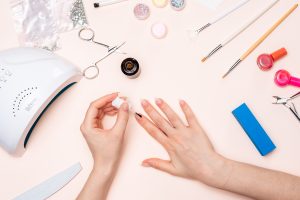
Salons offering nail services should not overlook the potential of professional nail retail products.
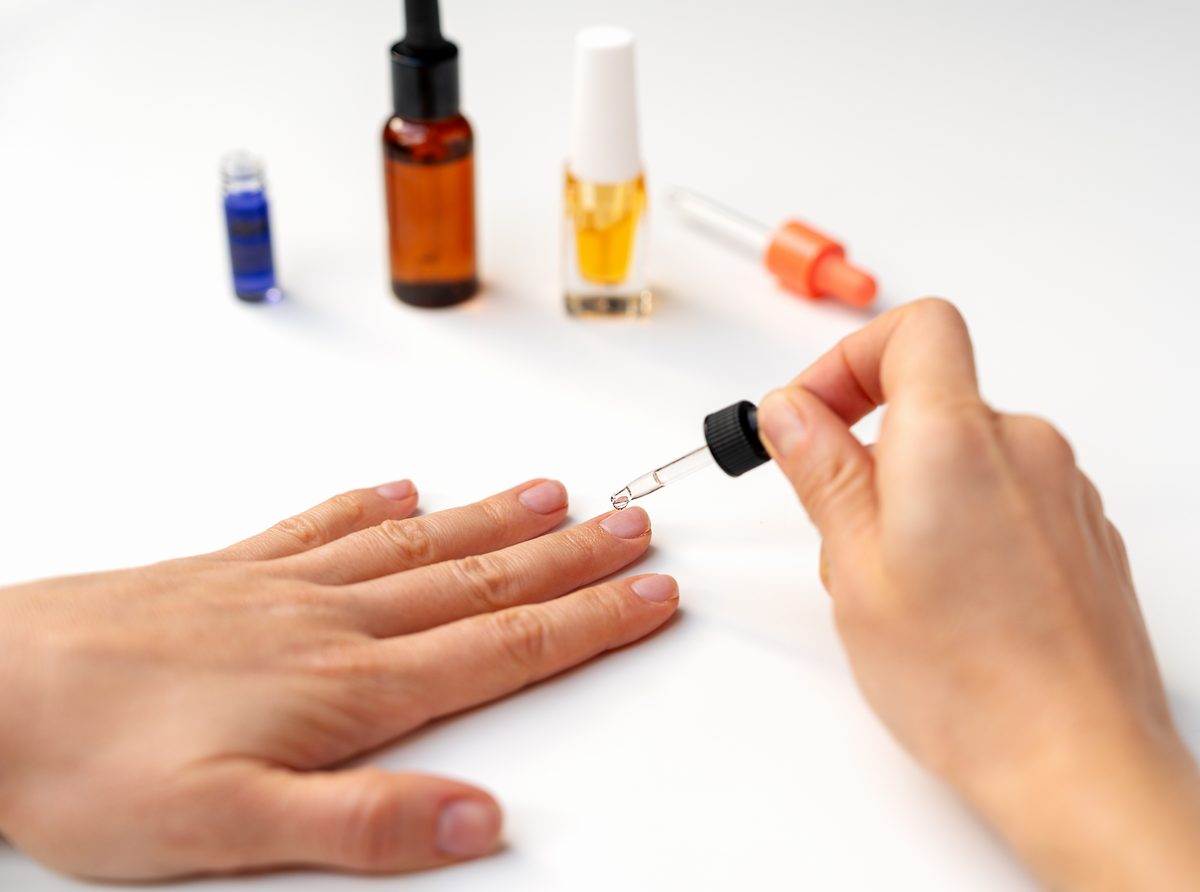
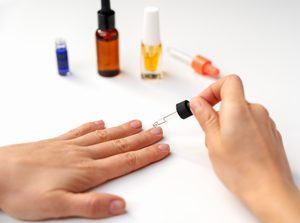
Cuticle oils are affordable, easy to recommend, and highly effective for maintaining healthy nails between appointments.
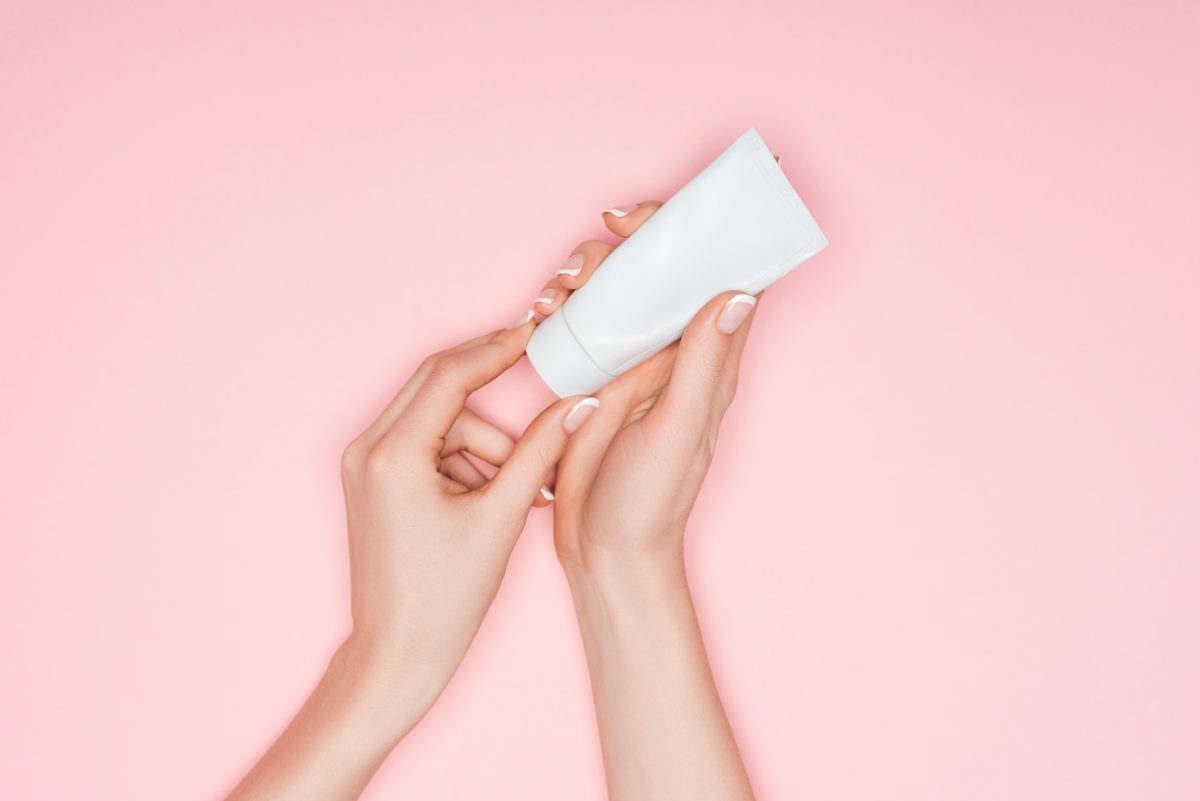
Many clients appreciate professional hand care products that help combat dryness and support healthy-looking skin.
Nail strengtheners appeal to clients who want to improve nail condition between salon visits.
Targeted nail treatments help address concerns such as brittleness, peeling, and weak natural nails.
Retail kits containing nail care essentials provide convenience while increasing transaction values.
Professional Skin Care Products
Many salons have successfully expanded into skincare retail.
Gentle professional cleansers often serve as an entry point for clients interested in upgrading their skincare routine.
Moisturizers remain one of the most frequently purchased skincare products because they are suitable for nearly every client.
Targeted serums for hydration, brightening, and anti-aging concerns continue to grow in popularity.
Daily sun protection has become an essential part of modern skincare routines, making SPF products a valuable retail category.
Masks provide clients with an easy way to enjoy salon-quality treatments at home.
Retail Products for Color-Treated Hair
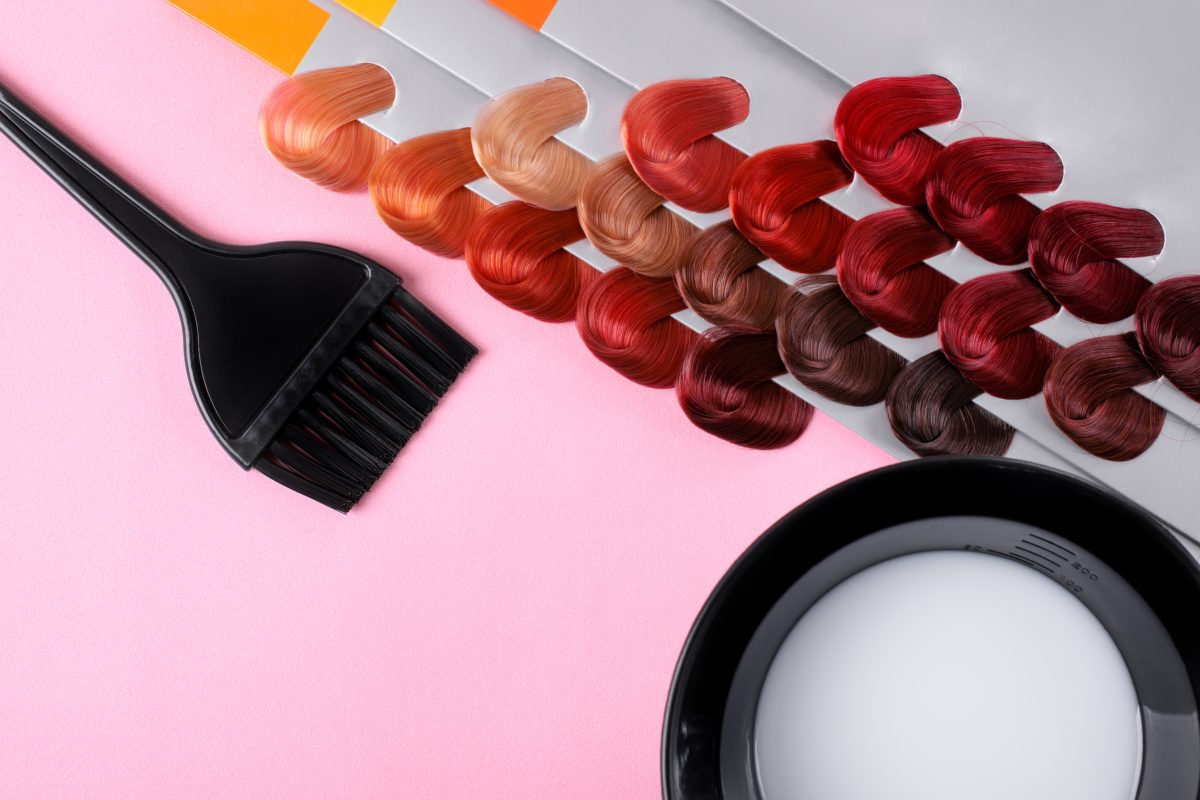
Color clients are often among the best retail customers because they have ongoing maintenance needs.
These formulas help preserve vibrancy and reduce premature fading.
Bond-building products continue to gain popularity among clients who color, bleach, or chemically process their hair.
Masks designed for color-treated hair support hydration and long-lasting color results.
These specialty products help neutralize unwanted tones and maintain salon-fresh color.
UV exposure can impact hair color, making protective products valuable additions to a color-care routine.
The Most Profitable Salon Retail Product Categories
While every salon differs, several categories consistently perform well:
| Product Category | Why Clients Buy It |
|---|---|
| Shampoo | Daily essential |
| Conditioner | Complements shampoo |
| Hair Masks | Supports hair health |
| Heat Protectants | Prevents styling damage |
| Hair Serums | Easy daily use |
| Scalp Treatments | Growing consumer interest |
| Cuticle Oils | Affordable add-on purchase |
| Hand Creams | Convenient and practical |
| SPF Products | Daily protection |
| Home Care Kits | Comprehensive maintenance solution |
How to Sell Salon Retail Products Without Sounding Pushy
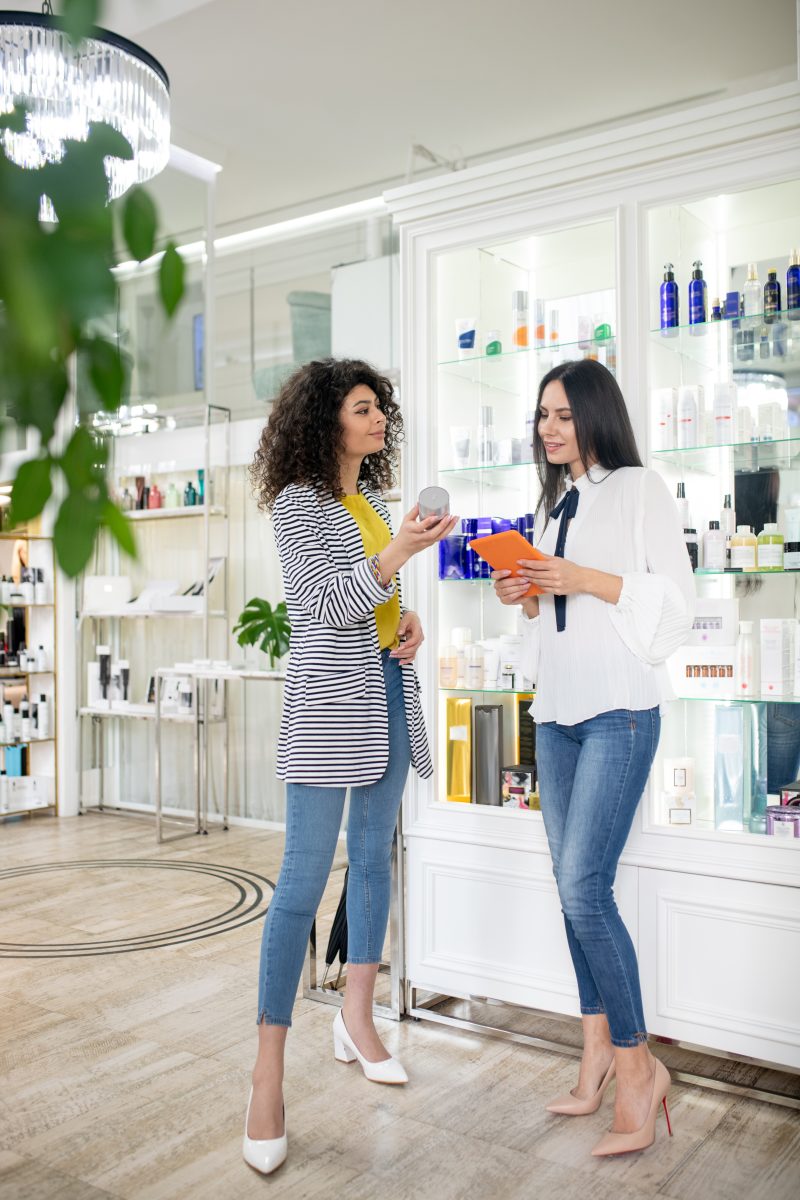
Many professionals worry about appearing overly sales-focused. Fortunately, effective retail sales rely on education rather than pressure.
Instead of asking, “Would you like to buy this product?” try explaining:
- Why you used the product during the service
- What results it provides
- How it supports the client’s specific needs
- How it helps maintain salon results at home
Clients appreciate personalized recommendations because they trust professional expertise.
FAQs
Professional shampoos, conditioners, hair masks, scalp treatments, heat protectants, cuticle oils, skincare products, and home-care kits remain among the best salon retail products due to strong client demand and repeat purchases.
Many successful salons generate between 10% and 30% of their total revenue through retail sales when they consistently recommend products that support client results.
Shampoos, conditioners, scalp treatments, styling products, and skincare essentials typically have the highest repeat-purchase rates because clients use them regularly.
Start with a focused selection of products that complement your most popular services. Then expand inventory based on client demand and sales performance.
Educate clients about product benefits, demonstrate products during services, and provide personalized recommendations based on their individual needs and goals.