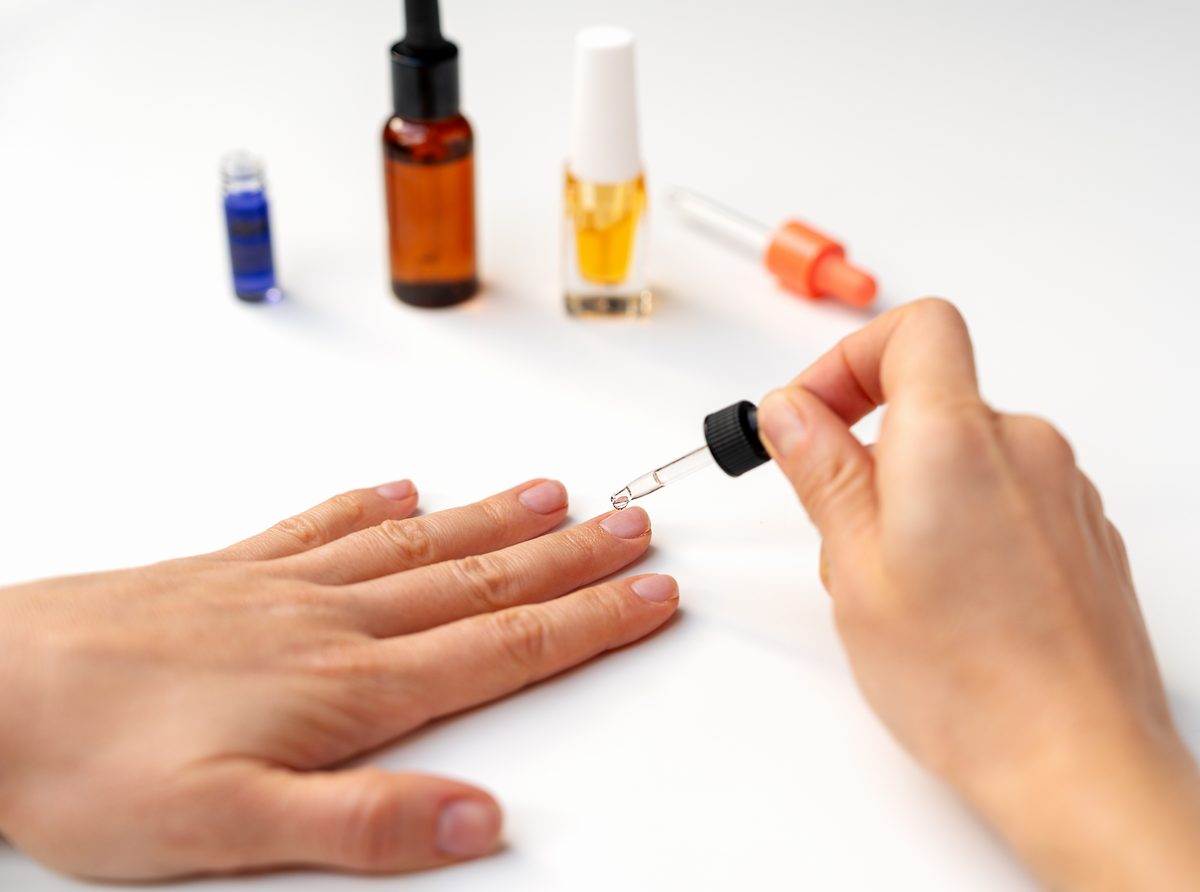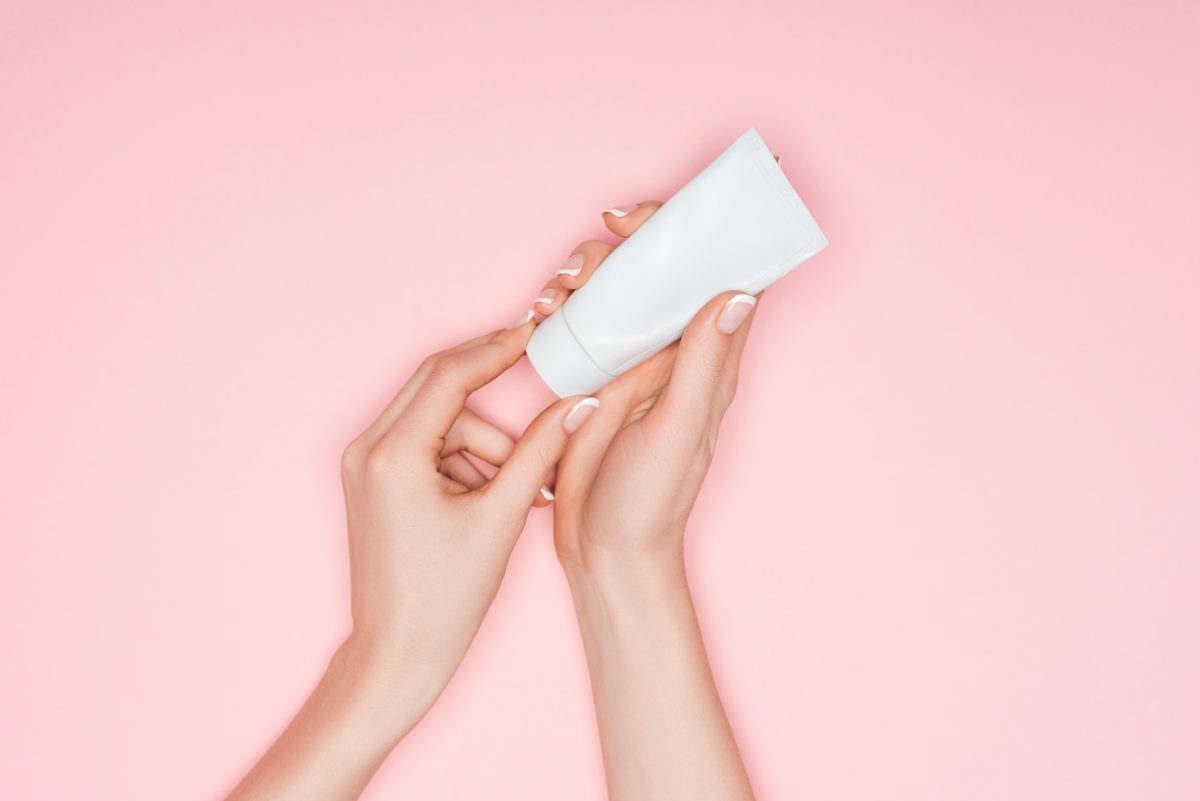


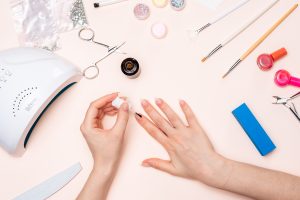
DIY nail care has become increasingly popular among beauty enthusiasts looking for flexibility, affordability, and creative control. While this trend offers convenience to clients, it has also created challenges for salon owners. Many professionals are now asking: Is this rise in DIY nail care impacting my salon business—and if so, how should I respond?
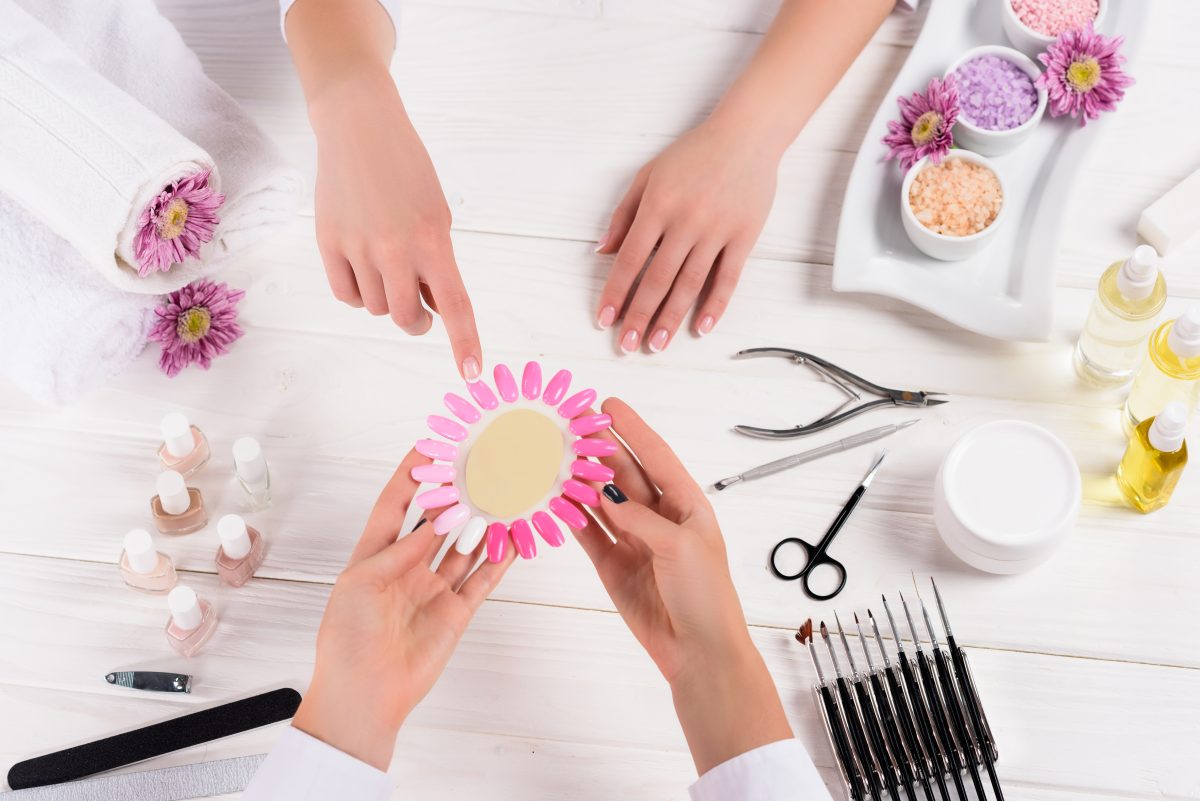
Understanding the Appeal of DIY Nail Care
To effectively respond, it’s crucial to first understand what’s drawing clients toward at-home nail routines. Below is a breakdown of the primary motivations behind this shift:
| Motivation | Explanation |
|---|---|
| Affordability | At-home treatments appear cost-effective compared to regular salon visits. |
| Convenience | Clients can do their nails anytime, without scheduling an appointment. |
| Creative Freedom | DIY allows them to experiment with colors, shapes, and designs on their own terms. |
| Influencer Culture | Social media tutorials make complex techniques seem accessible to everyone. |
What further accelerates this trend is access to professional-grade products through public-facing suppliers. For example, clients can now purchase items like builder gels, e-files and UV lamps from Nails R Us or Swan Beauty, which were once exclusive to licensed professionals.
Are You Really Losing Clients?
Before panicking, take a closer look. Many clients who try DIY methods often return for specific services they can’t replicate at home. These include:
- Structured gel or acrylic enhancements
- Intricate or layered nail art
- Nail health treatments (e.g., IBX)
- Cuticle care and safe removal of gel polish
- Pre-event manicures for weddings, photoshoots, or holidays
Rather than a complete loss of business, what salons are seeing is a shift in how and when clients engage. Some may space out appointments, but they still value professional results—especially when they experience the limitations of DIY firsthand.

How to Compete with the DIY Trend
The best way forward is to meet clients where they are by adapting your services and offerings. Here’s how you can leverage the DIY movement to your advantage:
1. Retail High-Quality Home Care Kits
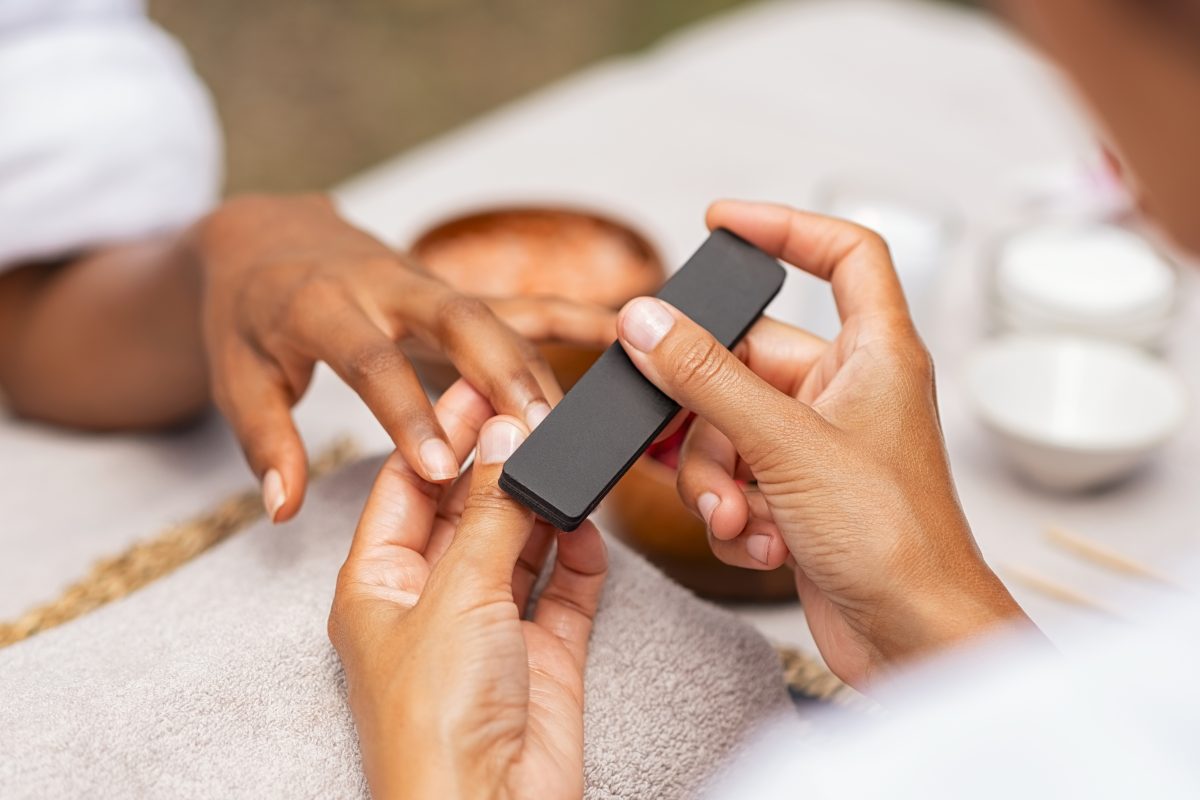
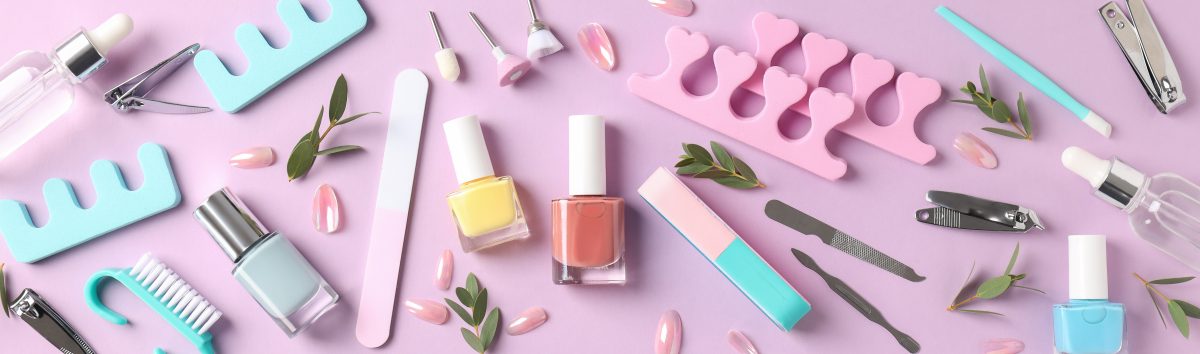
Instead of losing clients to at-home solutions, provide your own curated nail care packages. You can include professional tools, nail files, buffers, and post-treatment cuticle oils sourced from trusted suppliers like:
- Swan Beauty – for nail implements and accessories
- Allcare Beauty Supply – for salon-quality base and top coats
By branding these kits as “Pro-Approved At-Home Care,” you offer clients confidence while keeping them connected to your salon.
2. Educate and Empower Clients
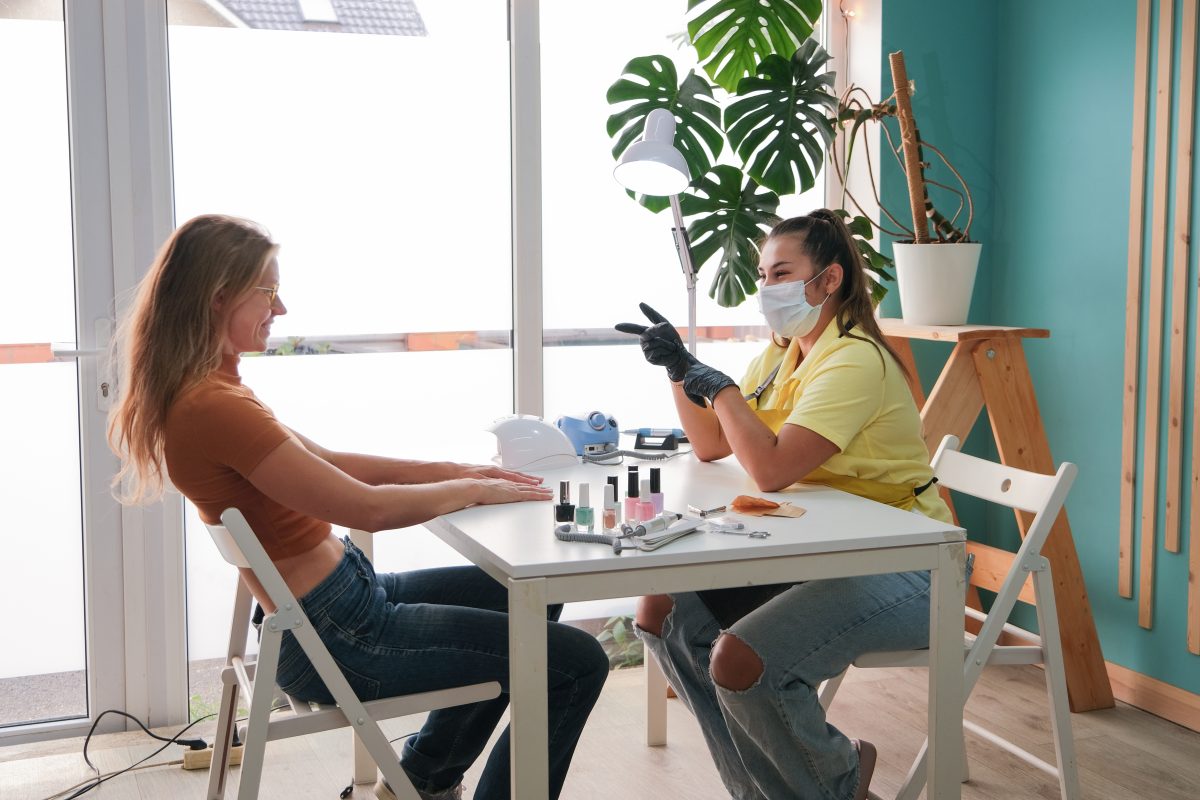
Use your professional credibility to guide clients rather than compete with them. Consider:
- Offering mini tutorials on safe nail shaping or product removal
- Creating a blog or video series about at-home nail care mistakes to avoid
- Hosting in-salon workshops with product demos and Q&A
These efforts not only educate but reinforce your position as a trusted expert.
3. Market What DIY Can’t Deliver
Make sure to spotlight the results and experiences that DIY can’t replicate. These include:
- Long-lasting wear and expert polish application
- Custom shaping, contouring, and cuticle work
- Safe removal processes that preserve nail integrity
- Relaxing in-salon ambiance and pampering
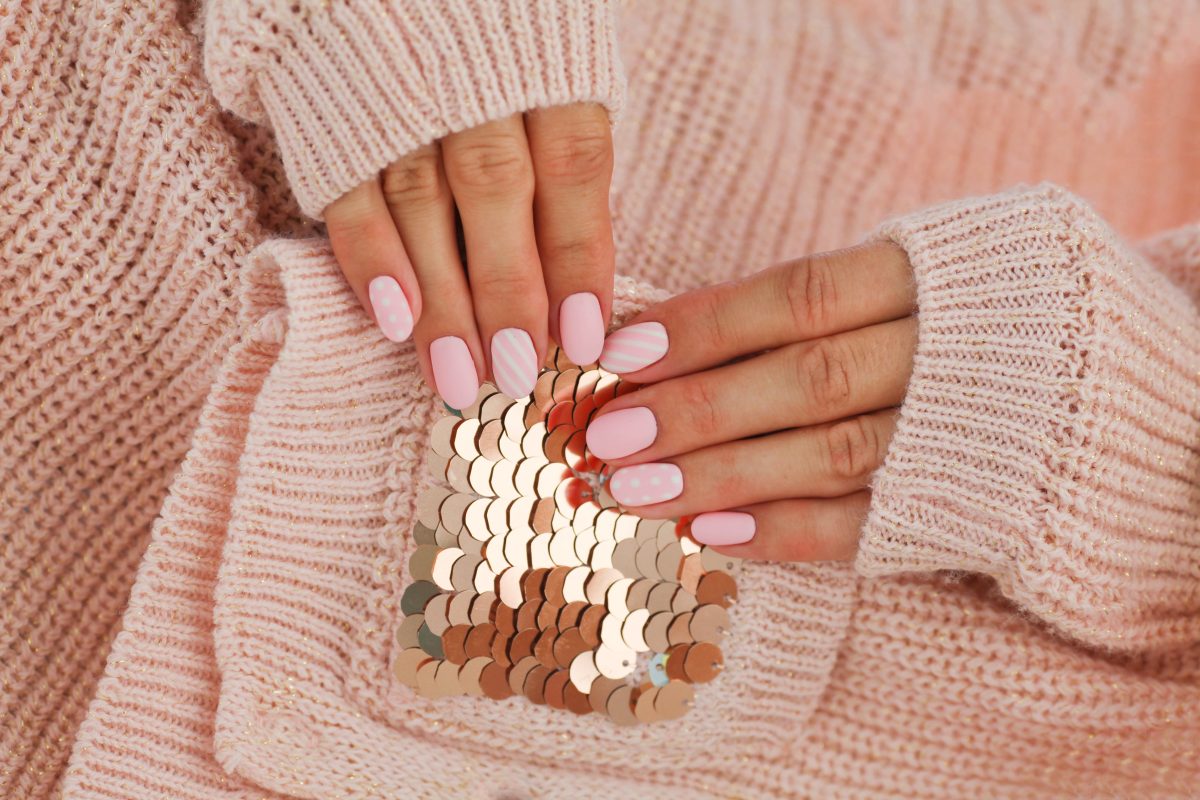
Use visuals in your marketing—before-and-after shots or videos of application techniques—to show what clients are missing at home.
Highlighting the Risks of DIY Nail Care
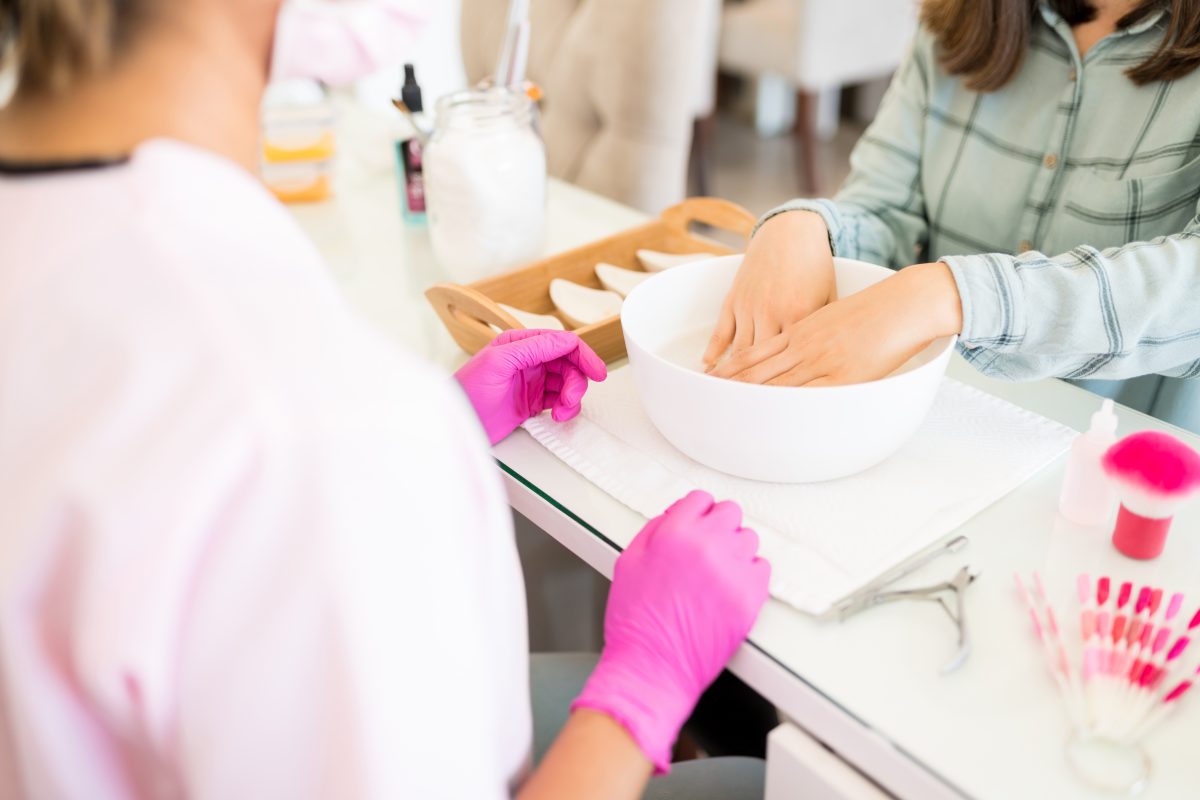
While the DIY trend is empowering, many clients aren’t aware of the risks they’re taking. You can use this knowledge to offer recovery and correction services.
Common DIY Nail Risks:
- Over-filing or thinning of the natural nail plate
- Use of unregulated products with strong chemicals
- Allergic reactions from improper product handling
- Incomplete curing from low-quality lamps
- Damaged cuticles and brittle nails
You can help clients recover with professional treatments using products from Intercosmétiques, such as nail strengtheners or hydrating oils. Offer these as part of repair packages or post-DIY recovery sessions. Educating your clients on how you can help restore nail health builds loyalty and drives repeat visits.
Rethinking Your Service Model
If clients are seeking flexibility, your salon can evolve to meet that demand. Here are service ideas that cater to both DIY-leaning clients and regulars:
Flexible Service Additions:
- Express Manicures: Quick gel polish or cleanup options for busy schedules
- Combo Packages: Offer a salon manicure with a take-home maintenance kit
- Loyalty Perks: Create reward systems for returning clients, like “every 5th visit gets a free cuticle treatment”
- Membership Models: Monthly memberships that include discounted services and product bundles
By packaging services creatively and adding value through take-home retail, you retain clients while aligning with new behaviors.
FAQ
Not entirely. While some clients may reduce frequency, most return for advanced services or special occasions. With the right strategy, you can regain and even grow your clientele.
Use education and gentle comparison. Highlight what you can do for their nail health and long-term results rather than focusing on what they do wrong.
Yes—retailing kits creates a new revenue stream and keeps you top-of-mind. Clients who trust your guidance are more likely to return when they need expert help.